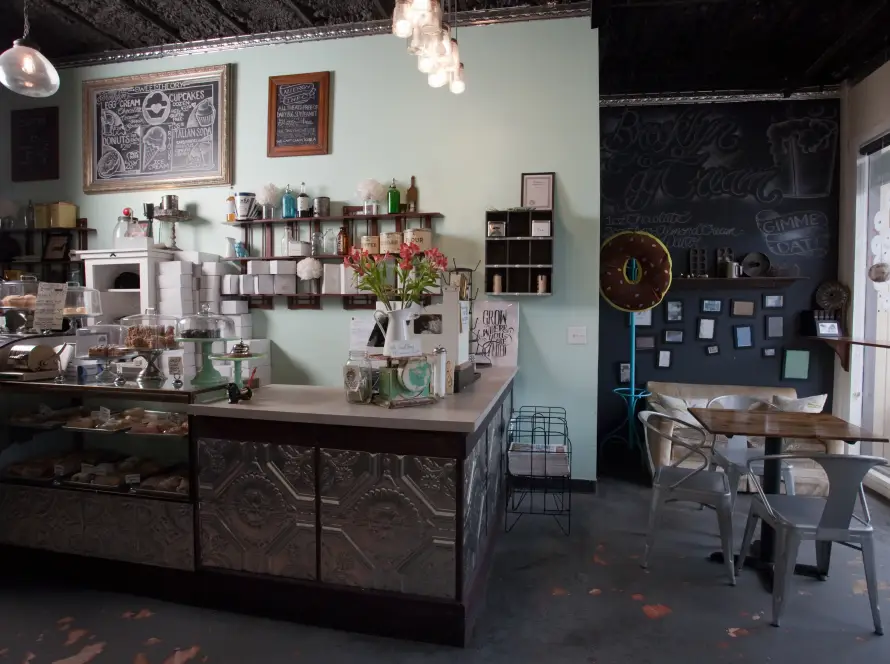
Cafe culture thrives as vibrant hubs blending local tastes, community events, and cultural exchanges, turning simple coffee spots into cherished social lifelines that foster belonging and creativity. The cafe culture in the world is also localized to local tastes and local atmosphere of the neighborhoods they are located in. This blog discusses the manner in which cafes familiarize themselves with the local tastes and the spirit of the community which is given a space in which they become part of social life.
1. The Essence of Cafe Culture
Cafe culture is highly ingrained in socialization and local culture. Cafes are the meeting places in most cities where people gather and friends meet, artists present their work and ideas are shared. This nature is different in each place and depends on the traditions and local cuisine and the tastes of people. It is a Parisian cafe filled with people talking together or a small-town coffee shop, each cafe reflects the atmosphere of its place.
2. Embracing Local Flavors
The focus on the local flavors is one of the most thrilling elements of the cafe culture. Most cafes make their menus according to the local products and food culture. To give an example, a cafe in Mexico could offer traditional Mexican coffee with local pastry, whereas a cafe in Italy would offer espresso and local desserts. This emphasis on local flavors does not merely showcase the culinary traditions of a certain place, but would also add to the customer experience by providing them with genuine flavors of a particular area. Incorporating cafe dining tips experience can help patrons fully appreciate these authentic local pairings.
3. Supporting Local Producers
Cafes which adopt local tastes tend to focus on local producers. This does not only favor the local economy but also guarantees new and quality offerings. Most cafes partner with local farmers, bakeries, and roasters establishing a close relationship between the cafe and the community. This habit will build trust and loyalty among the customers since they can know the source of their food and beverages.
4. Creating Community Spaces
Cafes are the crucial community centers where individuals can mingle, work together and relax. Cafes often promote events like open nights, art shows and book readings, which allow the local talent to shine and makes them feel a belonging. The cafes are part of the community as these events provide a platform of socialization and the exchange of culture.
In addition, cafes tend to socialize based on their design and layout. Social dining tables, comfortable seating, and patios encourage the customers to take their time and relax and socialize. The home-like feel of a cafe can make many of them their second home, with frequenters of the cafes becoming their friends, and their experiences being shared over hot cups of coffee.
5. The Contribution of Technology to Cafe Culture.
In the modern digital world, technology is an influential factor in the culture of the cafe. Social media is being exploited by many cafes to reach their customers, post updates, and advertisements of local events. Through online sites, cafes are in a position to present their specialty and reach more people. The sense of community is further improved as customers learn about new cafes with the help of social media recommendations and reviews.
There are also the changes in operation of cafes that were made by technology. Most of them would provide free Wi-Fi, which would provide a work area to the remote worker and student. This has turned cafes into effective collaboration and productivity places because of the combination of work and leisure in a casual atmosphere.
6. Intercultural Communication with Coffee
Cultural exchange is also done through cafe culture. With the different people, who may have different backgrounds, coming together in cafes, they get to exchange narratives, cultures, and foods. Such interaction enhances the society and creates awareness of the various cultures. The cafes are very diverse and many of them serve international coffee varieties in addition to having themed events with showcasing of various cultures.
As an example, a cafe could organize a world coffee day, where coffee from different countries will be served, which will not only allow the customer to experience the different methods of brewing coffee and different tastes. Such experiences, in addition to enhancing the global coffee culture to customers, enhance inclusiveness and appreciation towards diversity.
Conclusion
The cafe culture is a colorful tapestry created out of the local tastes, the community, and the exchange of cultures. The cafes are the important places of gathering which celebrate individuality of the surrounding environment and create relations among individuals. Cafes can also play a very important role in contributing to the social life of communities through the localization of ingredients and the support of local producers as well as the establishment of a hospitable environment. We have been, and still are, learning and enjoying the cafe culture and we realize how crucial these places are in our lives, providing more than coffee, they offer a sense of belonging and connectedness.
Frequently Asked Questions (FAQs)
1. What defines cafe culture?
The cafe culture is characterized by social relations, local customs, and the specifics of nostalgia coffee shops. It includes the manner in which individuals assemble, experience and savor local tastes in a shared established environment.
2. What are the community benefits of cafes?
Cafes contribute to the life of local communities through the purchase of local products, the organization of events, and the organization of social space. This not only builds the economy of the place, but also a feeling of belonging to residents.
3. How does technology feature in contemporary cafes?
Technology also makes cafe culture better by making them connect using social media, offering its customers free Wi-Fi and enabling the cafes to display their services online. It turns cafes into locations of relaxation and work.